
[DISPLAY_ULTIMATE_SOCIAL_ICONS]
Remember when pocket money felt like real money—when your pocket jingled with possibilities and Saturday afternoons meant one thing: freedom.
Pocket money day was sacred, a weekly ritual where you faced crucial life decisions. Do you spend it all at once, stretch it for maximum fun, or earn some extra cash by washing cars or doing chores?
The choices were endless, exciting, and wonderfully simple. Comics, sweets, trading cards—each decision felt important, like you were planning your whole weekend around those shiny coins.
It also taught us the value of money, budgeting, and simple maths—though we’d never admit it back then.
Let’s dive into the best parts of spending your pocket money.

The Sweet Shop Ritual
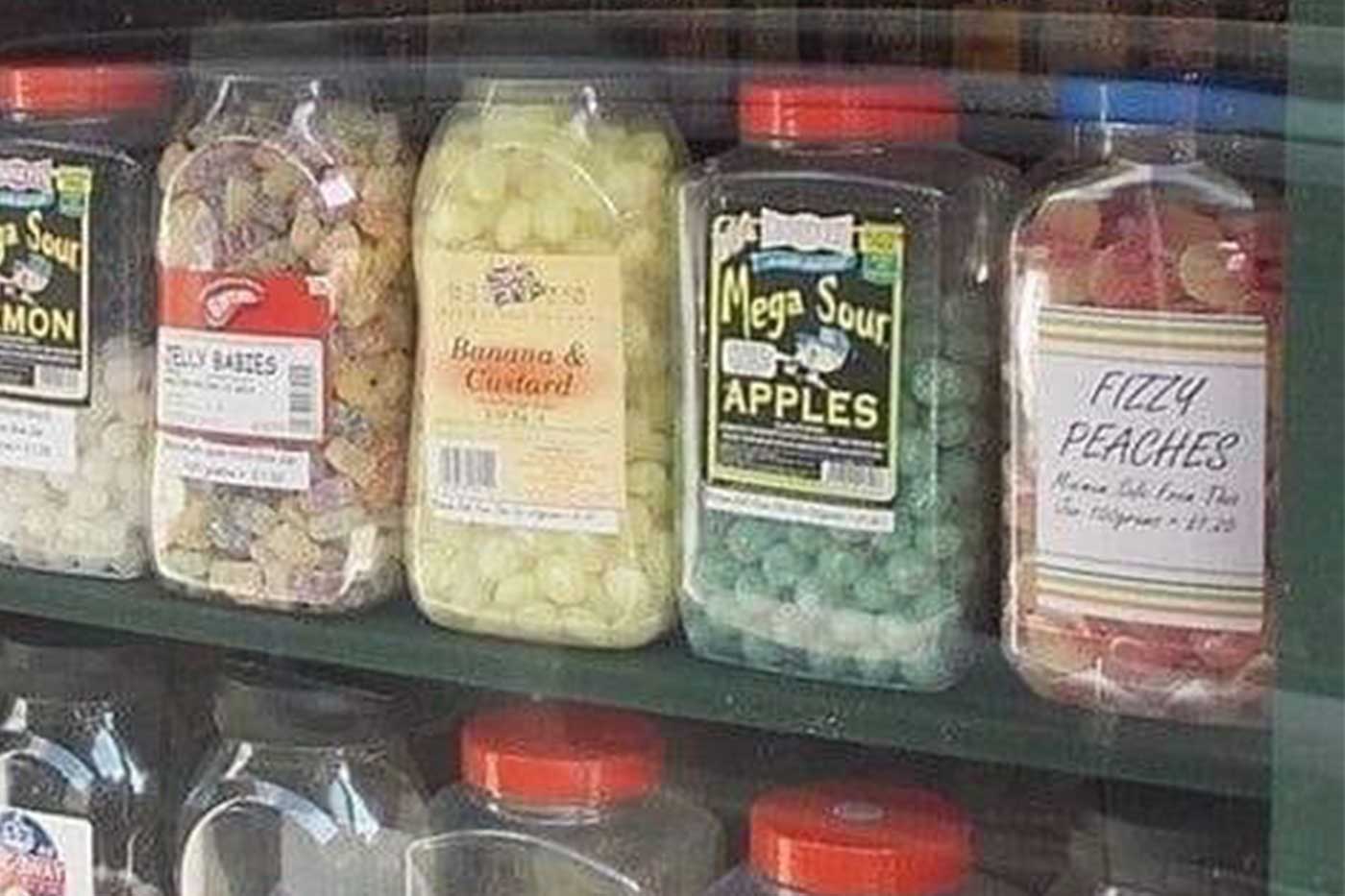
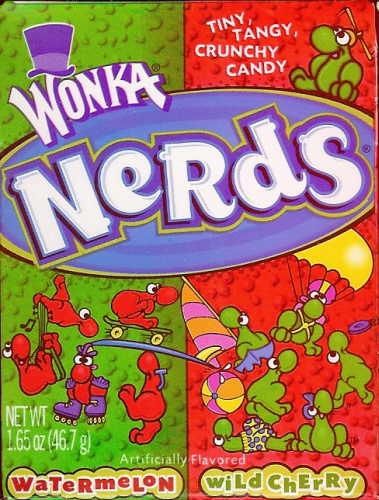
The sweet shop was a magical place. From cola bottles and flying saucers to foam bananas and sherbet fountains, every sweet had its place in your carefully planned budget. Armed with your precious coins, you stood at the counter, making critical calculations.
This wasn’t maths homework, this was serious business.
Filling a striped paper bag with sugary treasures felt like crafting a masterpiece. You’d point carefully through the glass: “two of those, three of these, and how much are those again?” Decisions became agonisingly precise—could you afford an extra fizzy cola bottle, or would it tip the scales over budget?
Walking out, clutching your sweet bounty, life couldn’t have been sweeter.
I remember going on holiday with our parents’ friends. It was a 10-hour flight plus the hotel the night before. We planned for weeks, plotting out our sweet haul and upgrading as our budgets grew for that massive journey. Back then, ten hours felt like ten days!

Comics and Magazines
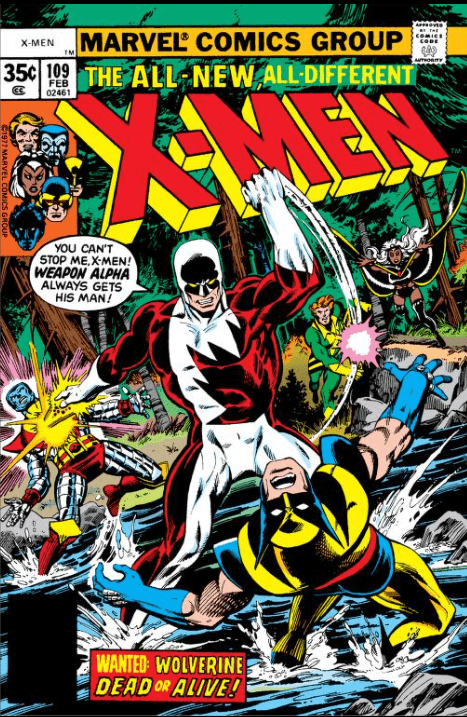
Comics and magazines were gold when it came to pocket money purchases. Whether it was the slapstick antics of Beano and Dandy or flicking through the latest issue of Smash Hits to find out which band was top of the charts, there was always something to look forward to.
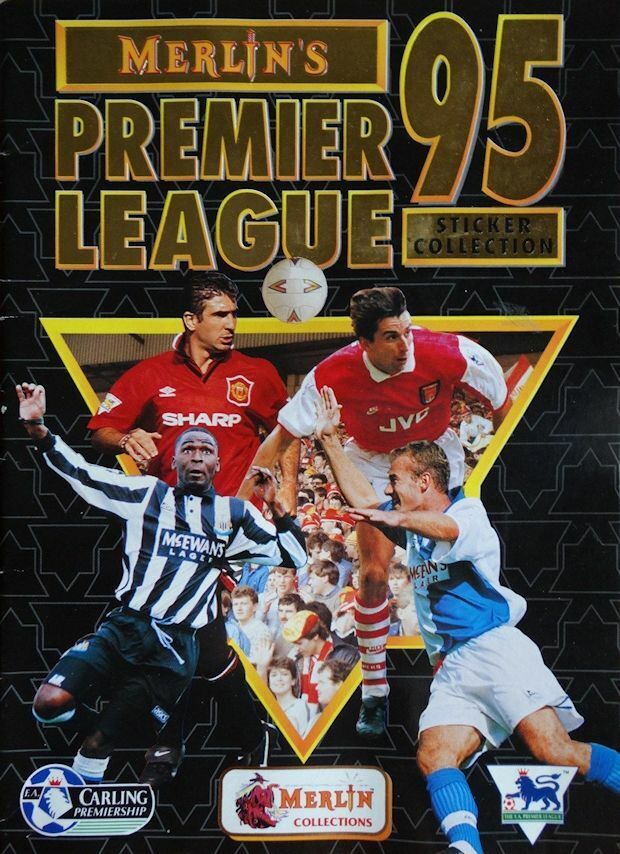
For some, it was all about the football sticker albums—trading doubles in the playground, desperately hunting for that one shiny card to complete a page. Or maybe it was those comic specials that came out around Christmas or summer, packed with extra pages and bonus strips.
But the real excitement? The free gifts. Stickers, sweets, joke toys, badges—sometimes absolute rubbish, but it didn’t matter. They were free. Beano water pistols that barely worked, glow-in-the-dark stickers from Dandy, or the random plastic tat you’d find glued to the cover of a kids’ magazine. You didn’t care if the toy was low quality, because it made the magazine feel special.
There was something about buying a comic or magazine with your own money, sitting down with a snack, and getting completely lost in it. Whether it was reading cover to cover or just cutting out your favourite band photos to stick on your bedroom wall, it was all part of the ritual.
Sticker Albums & Trading Cards
Sticker albums and trading cards were the absolute pinnacle of collecting. There was something undeniably addictive about tearing open a fresh packet, hoping you’d finally find that elusive shiny or rare card to complete a set.
You’d bend the pack slightly—just enough not to damage these sacred treasures, but enough to sneak a peek and check if there was a shiny hiding in there. The suspense was all part of the thrill.
Panini football stickers, Garbage Pail Kids, Pokémon cards—whatever the obsession was, it ruled your playground life.
The ritual was simple: save up your pocket money, buy a few packs, and start ripping them open with the excitement of a lottery win. Sometimes, you’d hit the jackpot with a shiny sticker or a rare card. Other times, you’d be left with disappointing duplicates. But even the duplicates had value—currency for the fierce trading sessions that dominated lunch breaks and after-school hangs.
Playground negotiations were an art form. Bartering, swapping, and occasionally even begging to get that final piece of the puzzle.
“Got, got, need” still lives in our heads today.
Arguments would flare up over whether a shiny card was worth two regulars or even more. Friendships were tested, deals were struck, and everyone had their own rules of what was fair game.
Completing a sticker album or a full set of trading cards felt like a genuine achievement. It was the ultimate bragging right—proof you had the patience, dedication, and negotiation skills to pull it off.
It never happened, apart from maybe one kid who went to the sticker conventions or used the swap scheme over postal order or something. They were like playground royalty.
Toys from the Newsagent
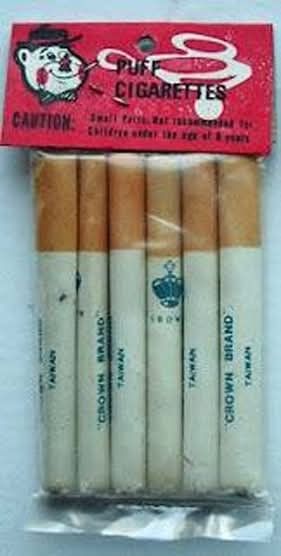
Newsagents were treasure troves, not just for comics and sweets, but for the small, often cheap toys that seemed irresistible at the time. The allure of those bangers you chucked on the floor for a satisfying crack, or those rancid stink bombs you’d set off just to cause chaos.
Those mystery bags were the real draw. You’d get a load of crap—plastic rings, tiny figurines, cheap knock-offs of actual toys—and somehow, it was still worth it. The mystery was all part of the fun.
And then there were the fads. From Pogs and Crazy Bones to those snap-on wristbands everyone wanted. Newsagents knew exactly what they were doing by placing all those eye-catching toys right at the counter, daring you to spend your precious coins.
Even the magazines had their own lure with their sometimes ridiculous free toys—glitter pens, glow-in-the-dark stickers that barely glowed, and cheap pencil toppers that snapped after a day. You needed them for your school pencil case, books, or just to show off to your mates.
The best part? Picking something completely random and convincing yourself it was worth the money, even if it broke by the end of the day.
The Art of Stretching Your Pocket Money
Pocket money didn’t come easy, so making it last was an art form. Every coin was precious, and spending it was like a tactical operation. You had to make it stretch as far as possible, getting the most bang for your buck.
Sometimes that meant choosing quantity over quality. You’d load up on penny sweets rather than splashing out on a chocolate bar that would be gone in two bites. Or you’d opt for a cheap magazine with a free toy rather than a pricier one with better content but nothing to show off at school.
Bargain hunting was a skill developed early. You’d scope out which shops had the best deals, which newsagents had the coolest toys, and who gave the most sweets for your money. You’d make your way across the estate just to save a few pence, because childhood was about endless days, playing and exploring.
And if you were really lucky, you’d catch the newsagent in a good mood and get a freebie chucked in with your haul.
Earning extra pocket money was always a bonus. Washing cars, mowing lawns, or doing odd jobs around the house for that extra bit of cash. And once you had it, you’d plan meticulously how to spend it, almost like budgeting practice before you even knew what a budget was.
Stretching your pocket money wasn’t just about spending less—it was about spending smart. Whether you were splashing out on a toy, saving for a comic, or going all out on the sweet. Every decision mattered. And if you somehow managed to save a bit for next time, you felt like an absolute genius.
You May Also Like
Enjoying the nostalgia? If this took you back to simpler times (or just made you smile), you can help keep the good vibes going by supporting Nostbox. Every coffee fuels more retro magic!
[DISPLAY_ULTIMATE_SOCIAL_ICONS]