

[DISPLAY_ULTIMATE_SOCIAL_ICONS]
Most things made for war were never meant to be kept.
They were designed to be used once, fast, and without sentiment. Fired, ejected, and forgotten.
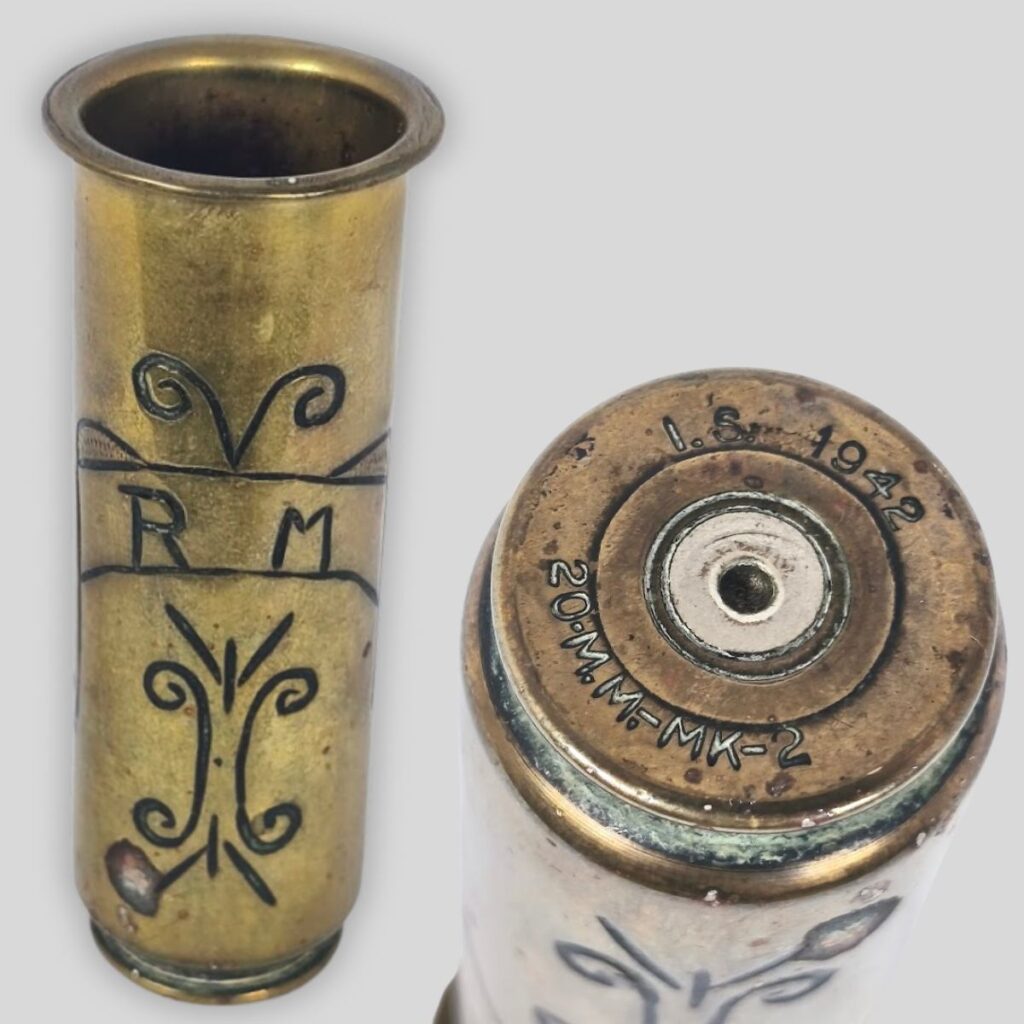
This WWII RAF aircraft cannon shell did not follow that path.
It was fired in 1942, picked up afterwards, and taken out of circulation. Someone kept it. Someone took the time to engrave it by hand. Two letters, “R M”, cut into brass that was never meant to last longer than a few seconds in the air.
That decision is what makes this shell different.
This post is not about turning it into something poetic. It is about looking at what was left behind, how it was handled, and what the physical evidence can realistically tell us.
Why Someone Would Keep a Shell Like This
Keeping a fired aircraft shell was not about decoration or souvenirs.
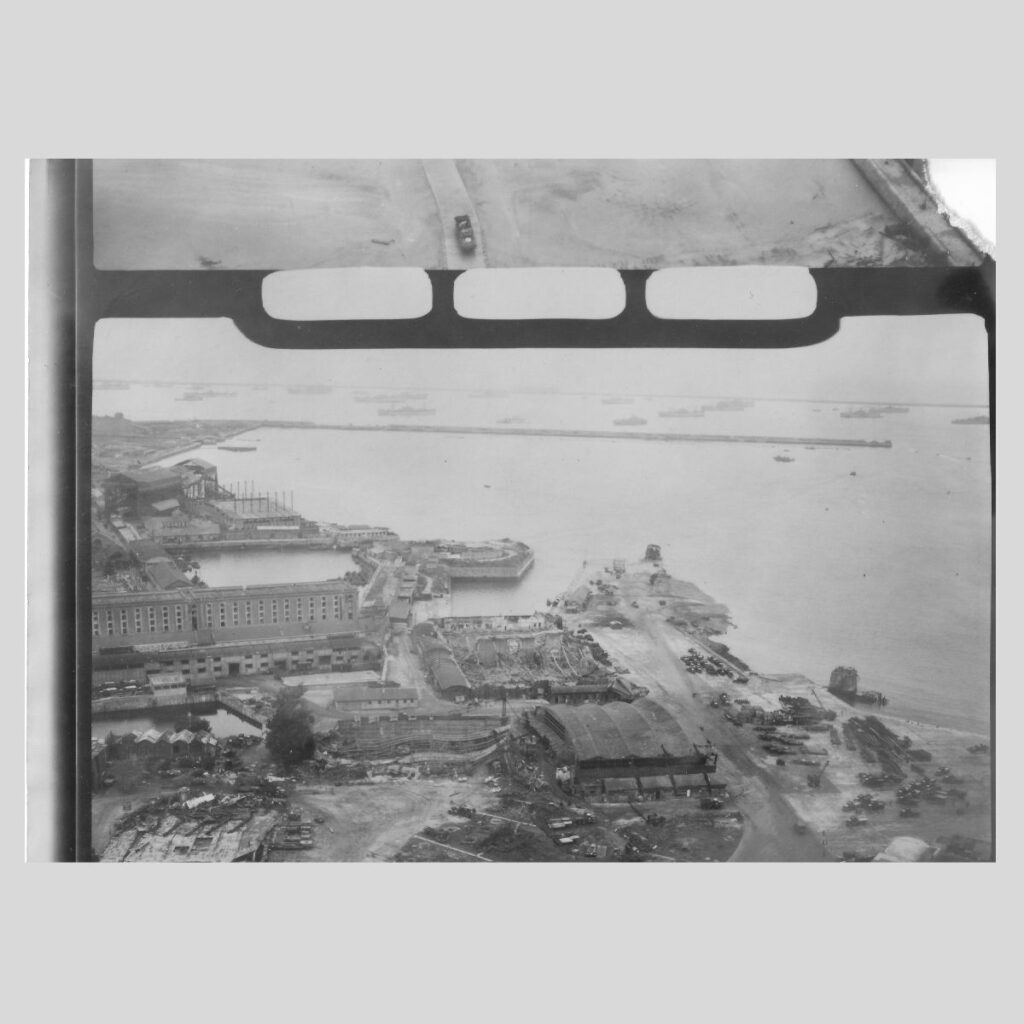
Most spent shells were treated as scrap. They were cleared away around airfields and maintenance areas with no thought given to them at all. They were common, dirty, and easy to ignore.
But not everyone ignored them.
War involved long stretches of waiting mixed with short moments of intensity. For aircrew and ground staff, there was time between sorties, repairs, and stand-downs. People needed something to do with their hands and something solid to focus on that was not the next mission.
That is where trench art comes in.
Shells like this were picked up after firing and taken out of circulation. Not to look pretty, but to reclaim a small bit of control. Turning something designed to destroy into something personal was a way of slowing things down.
This shell fits that pattern. It was fired, then kept. Someone took the time to engrave it carefully, not in a rush, and not as a joke. That alone tells you it mattered to whoever had it.
This was not about art. It was about holding onto something real in the middle of a nightmare they’d rather not be in.
What The Engraving Tells Us
This shell was engraved after it was fired. That much is clear.
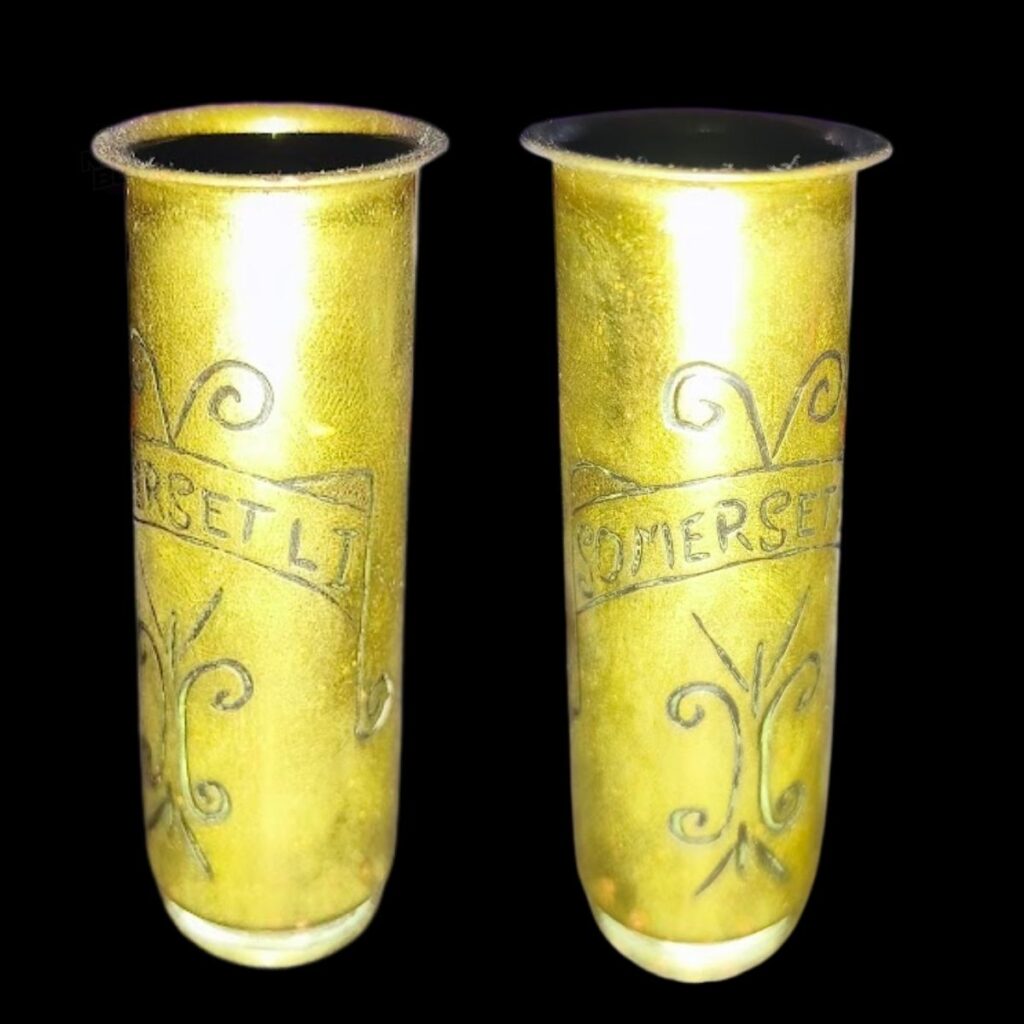
What helps narrow things down is comparison. We have another WWII 20mm Hispano shell from the same period, engraved in almost the same way. Same scrollwork. Same layout. Same feel. The difference is the wording.
That shell is engraved “Somerset”.
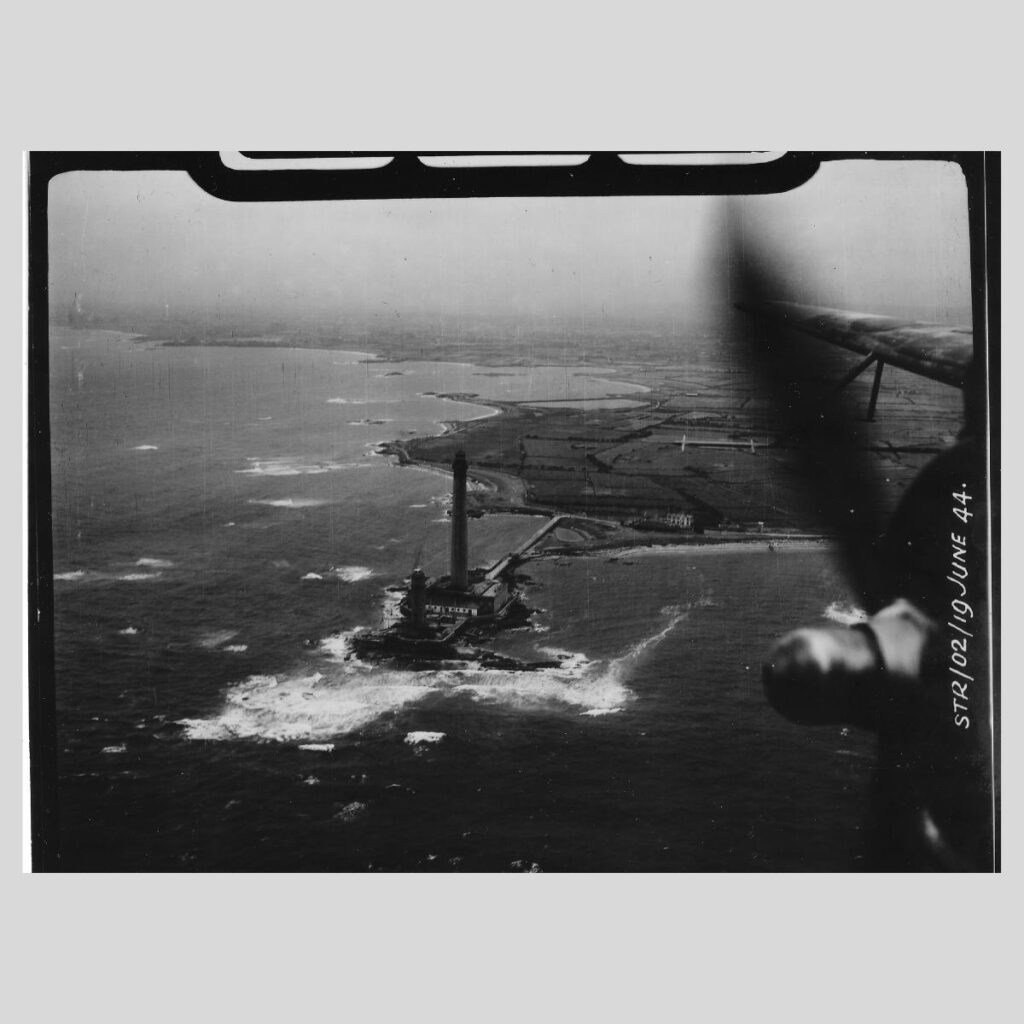
Taken together, it strongly suggests these shells came from the same place or environment. Not random souvenirs, but pieces marked in the same setting, likely around an RAF station with links to Somerset.
One shell carries a place name. This one carries initials. Different markings, same hand or same habit.
We may never pin down who R.M was, but the physical evidence points to a shared origin rather than coincidence. That is about as close as objects like this ever let you get.
Wrapping Up
The rest never got written down.
Only this survived.
Interested in this item? Check it out with our other wartime ephemera here.
If you liked this post, feel free to buy us a beer or share on your feed.
Thanks for the support.
[DISPLAY_ULTIMATE_SOCIAL_ICONS]